

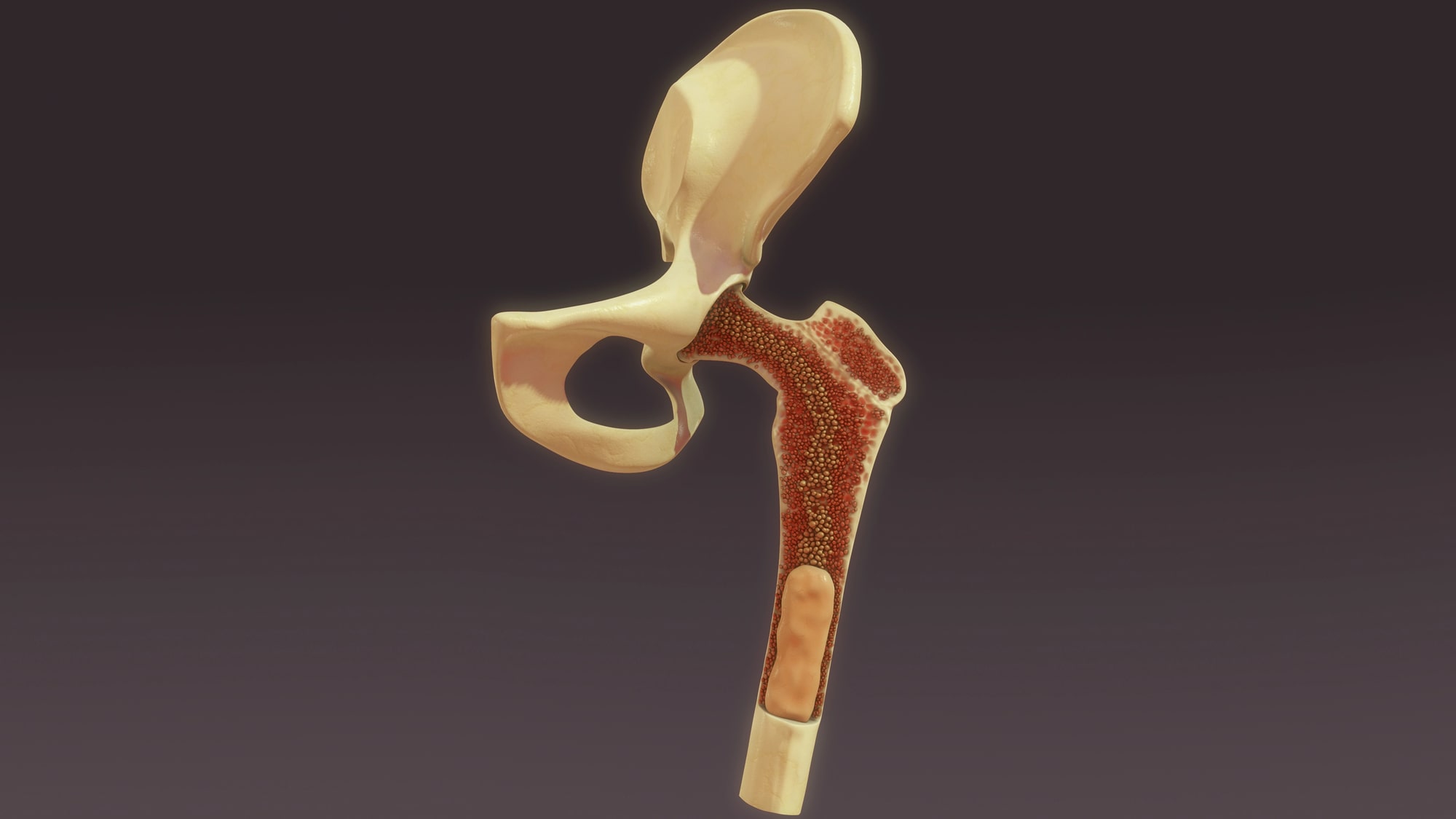
Anemia, a condition characterized by a deficiency in red blood cells or hemoglobin, can manifest in various ways, from fatigue and weakness to shortness of breath and pale skin. While blood tests are often the initial step in diagnosing anemia, there are instances where a more invasive procedure, known as a bone marrow biopsy, becomes necessary.
What is a Bone Marrow Biopsy?
A bone marrow biopsy involves extracting a small sample of bone marrow, the spongy tissue inside bones responsible for producing blood cells. There are two primary types of biopsies: aspiration, which involves withdrawing a liquid sample, and trephine, which removes a solid core of marrow. This procedure, though typically performed under local anesthesia, allows healthcare professionals to examine the marrow’s composition and assess its ability to generate blood cells.
Why is a Bone Marrow Biopsy Needed in Anemia?
Anemia isn’t a singular entity; it encompasses a spectrum of types, each with its own underlying cause. While some anemias stem from nutritional deficiencies like iron or vitamin B12, others may arise from chronic diseases or genetic disorders. A bone marrow biopsy serves as a pivotal tool in differentiating between these diverse anemias. By scrutinizing the marrow’s cellular architecture and identifying any abnormalities, doctors can pinpoint the root cause of the anemia and tailor treatment accordingly.
When is a Bone Marrow Biopsy Necessary?
The decision to perform a bone marrow biopsy isn’t taken lightly. It’s usually reserved for situations where:
- Blood tests reveal abnormal results: If a complete blood count shows unusual patterns in red blood cell size, shape, or number, a biopsy can provide further clarification.
- Suspicion of underlying bone marrow disease: In cases where leukemia, lymphoma, or other bone marrow disorders are suspected, a biopsy becomes imperative.
- Unexplained anemia: If the cause of anemia remains elusive despite thorough investigation, a biopsy can uncover hidden factors.
- Monitoring treatment response: In individuals undergoing treatment for bone marrow conditions, biopsies can assess the therapy’s effectiveness and guide adjustments.
The decision to order a biopsy hinges on various factors, including the patient’s age, medical history, and specific symptoms.
It’s important to note that a bone marrow biopsy isn’t the sole diagnostic tool; it complements other tests like blood tests, iron studies, and vitamin B12 levels.
Final Thoughts
A bone marrow biopsy, while a slightly invasive procedure, can be indispensable in diagnosing and managing anemia.
By delving into the intricacies of bone marrow function, it empowers healthcare providers to decipher the underlying cause of anemia and formulate targeted treatment plans.
If your doctor recommends a bone marrow biopsy, it’s crucial to discuss any concerns you may have and understand the potential benefits this procedure can offer in your journey towards better health.
Ready To Face Your Bone Marrow Biopsy with Confidence? Learn More from the Cancer and Blood Disorders Treatment and Infusion Center
Coping with bone marrow biopsy can be challenging, but with the right approach and support from your healthcare provider, you can navigate it with strength. At the Cancer and Blood Disorders Treatment and Infusion Center, we perform bone marrow biopsies in our office, ensuring the environment is sterile and using local anesthesia and intravenous pain medications to ensure the patient is as comfortable as possible.
Our practice uses a personalized approach to our patients’ care, providing one-on-one attention and support. In addition, our medical assistants, under the guidance of Dr. Meelu, act as social workers, providing emotional support and much more.
Contact us at 301-638-1007 or fill out our online Contact Us form for inquiries or to book an appointment with our specialists.