

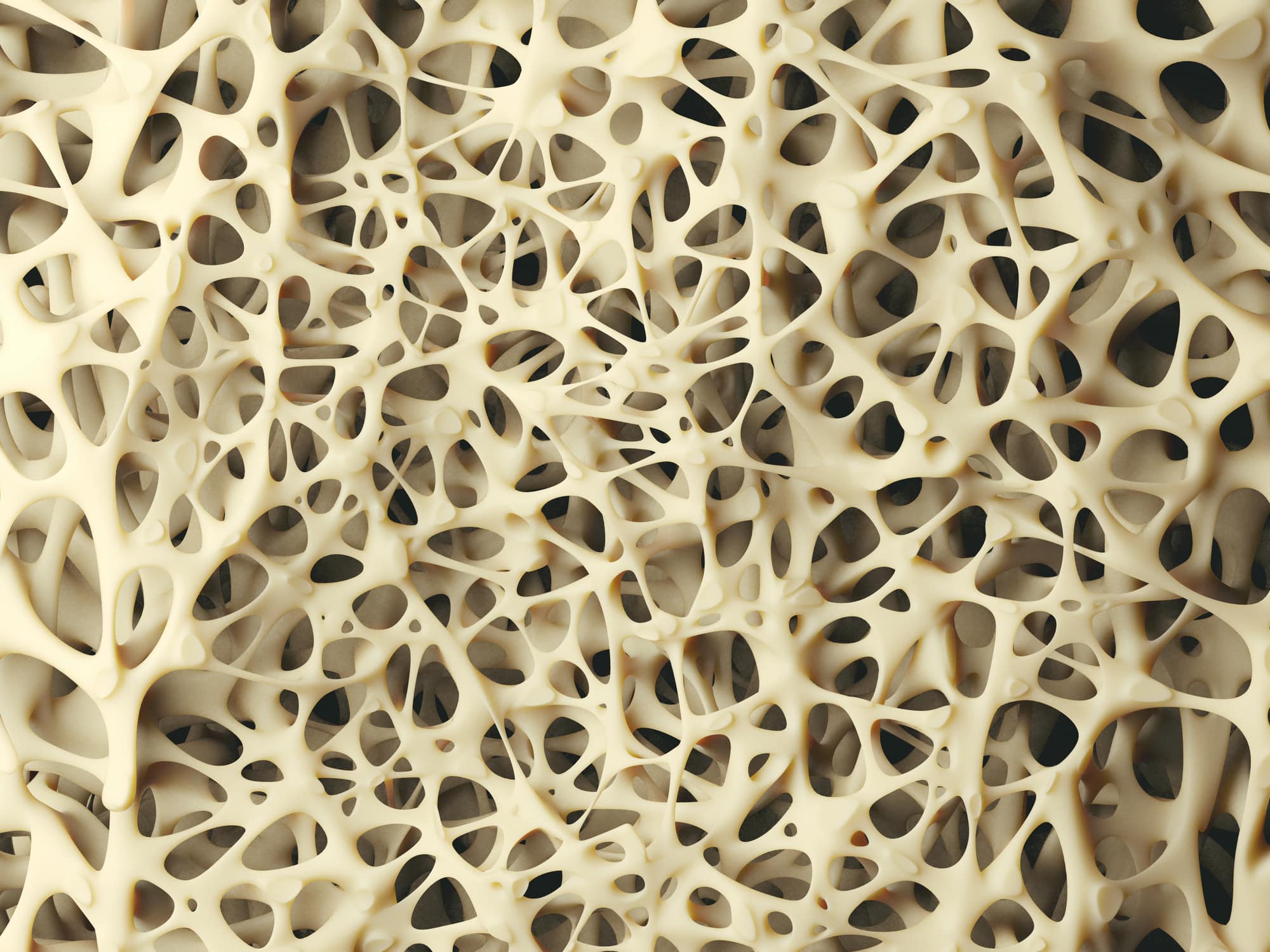
Blood is the lifeblood of our body, carrying oxygen and essential nutrients to every cell. Inside our bones lies a hidden factory relentlessly producing these vital components: the bone marrow. This spongy tissue houses immature blood stem cells that differentiate into mature red blood cells, white blood cells, and platelets. When abnormalities arise in blood cell production, a bone marrow biopsy becomes a crucial tool for diagnosing and managing blood disorders.
Location and Function of Bone Marrow
Bone marrow is found in the center of most large bones, including the hip bones, ribs, and sternum. It comprises two main components: red marrow, responsible for blood cell production, and yellow marrow, which stores fat. The intricate dance of blood cell production is orchestrated by a complex interplay between stem cells, growth factors, and the bone marrow microenvironment.
The Biopsy Procedure: Aspiration and Core Sample Extraction
A bone marrow biopsy is a minimally invasive procedure that extracts a small sample of bone marrow for analysis. It typically involves two steps: aspiration and core biopsy. During aspiration, a thin needle is inserted into the bone marrow cavity to withdraw a liquid sample containing blood cells. Next, a core biopsy needle extracts a small piece of bone containing marrow tissue. Both samples are then examined by a pathologist under a microscope to identify any abnormalities.
Diagnosing Blood Disorders with a Bone Marrow Biopsy
Blood disorders encompass a wide range of conditions affecting blood cell production and function. A bone marrow biopsy plays a pivotal role in diagnosing these conditions by offering a window into the inner workings of the blood factory.
Blood cancers, such as leukemia, lymphoma, and myeloma, disrupt the normal process of blood cell production. A bone marrow biopsy can help identify the specific type of blood cancer by analyzing the morphology (appearance) and immunophenotype (protein expression patterns) of the cells present in the sample. This information is critical for determining the appropriate course of treatment.
Unraveling the Cause of Abnormal Blood Cell Production
Beyond cancer, a bone marrow biopsy can help diagnose other blood disorders like aplastic anemia (impaired blood cell production), myelodysplastic syndromes (abnormal blood cell development), and various types of bone marrow failure. By analyzing the cellular composition and architecture of the bone marrow, doctors can pinpoint the underlying cause of abnormal blood cell counts and initiate targeted treatment strategies.
Beyond Diagnosis: Guiding Treatment Decisions
A bone marrow biopsy serves as more than just a diagnostic tool. The information gleaned from the biopsy sample plays a crucial role in guiding treatment decisions for blood disorders.
For blood cancers, the specific type and genetic makeup of the cancer cells identified in the bone marrow biopsy determine the most effective treatment approach. Chemotherapy, targeted therapies, and immunotherapy can be tailored to target the specific vulnerabilities of the cancer cells revealed by the biopsy.
Bone marrow biopsies are also used to monitor a patient’s response to treatment. Repeated biopsies can assess if the treatment is effectively reducing the number of cancerous cells and promoting healthy blood cell production. This allows doctors to adjust treatment plans as needed and identify any signs of relapse early on.
Ready To Face Your Bone Marrow Biopsy with Confidence? Learn More from the Cancer and Blood Disorders Treatment and Infusion Center
Coping with bone marrow biopsy can be challenging, but with the right approach and support from your healthcare provider, you can navigate it with strength. At the Cancer and Blood Disorders Treatment and Infusion Center, we perform bone marrow biopsies in our office, ensuring the environment is sterile and using local anesthesia and intravenous pain medications to ensure the patient is as comfortable as possible.
Our practice uses a personalized approach to our patients’ care, providing one-on-one attention and support. In addition, our medical assistants, under the guidance of Dr. Meelu, act as social workers, providing emotional support and much more.
Contact us at 301-638-1007 or fill out our online Contact Us form for inquiries or to book an appointment with our specialists.