

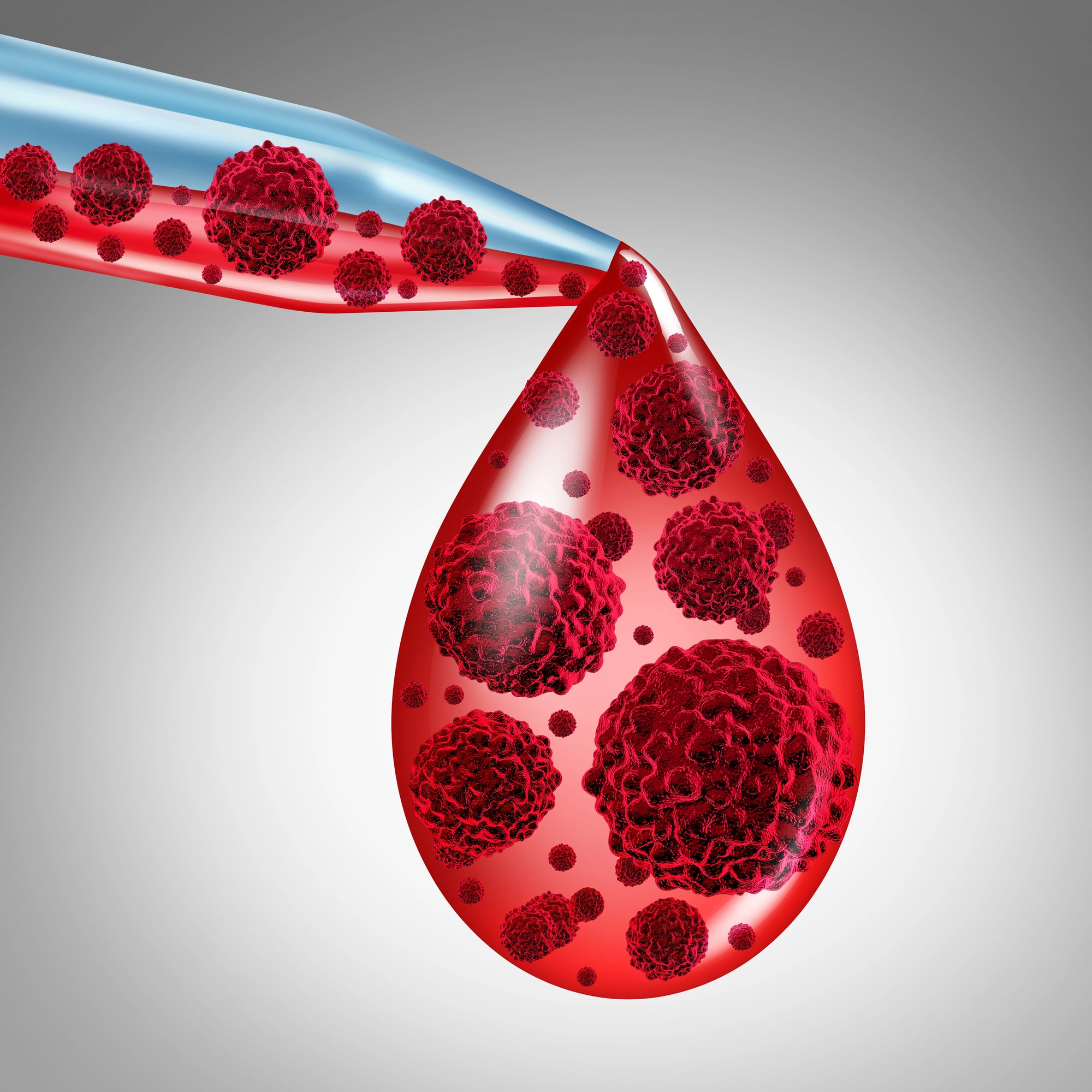
Multiple myeloma is a type of blood cancer that affects the plasma cells found in bone marrow. Plasma cells are responsible for producing antibodies that help the body fight infections. In multiple myeloma, these plasma cells become abnormal and grow uncontrollably, crowding out healthy blood cells. This leads to various complications and can severely impact overall health.
Although it is not one of the most common cancers, it is essential to understand what multiple myeloma is and how it affects the body. Early detection and proper care are vital in managing this condition.
How Multiple Myeloma Affects the Body
Multiple myeloma originates in the bone marrow, the soft tissue inside bones where blood cells are made. When abnormal plasma cells multiply, they take over the marrow, which reduces the production of healthy blood cells. This means fewer red blood cells to carry oxygen, fewer white blood cells to fight infections, and fewer platelets to stop bleeding.
The excess of abnormal cells also leads to the production of harmful proteins known as M proteins, which can damage the kidneys and other organs. Over time, these changes weaken the immune system and affect the body’s ability to heal and recover from illnesses.
Signs and Symptoms of Multiple Myeloma
In the early stages, multiple myeloma may not cause noticeable symptoms. However, as the condition progresses, it can lead to several warning signs.
Persistent fatigue is a common symptom due to low red blood cell levels. Bone pain, especially in the back or ribs, is also frequent, as the disease often weakens bones, making them more prone to fractures. Unexplained weight loss and recurrent infections can indicate a compromised immune system.
As multiple myeloma advances, symptoms like severe bone pain, kidney problems, and frequent bruising or bleeding may emerge, signaling more significant health challenges.
Causes and Risk Factors
The exact cause of multiple myeloma remains unclear, but researchers have identified certain factors that increase the risk of developing the disease.
Age is a significant risk factor, as most people diagnosed with multiple myeloma are over 60. Men are more likely to develop it than women, and African Americans have a higher incidence of the disease than other racial groups. A family history of blood cancers may also elevate the risk.
Although environmental factors like exposure to radiation or certain chemicals have been suggested as potential contributors, the underlying cause often remains uncertain.
Diagnosis and Testing
Diagnosing multiple myeloma involves several tests that assess blood, urine, and bone marrow samples. A blood test called a complete blood count (CBC) can reveal abnormal levels of red blood cells, white blood cells, and platelets.
In addition, a blood test measuring levels of M proteins helps confirm the presence of abnormal plasma cells. Doctors may also order imaging tests such as X-rays or MRIs to check for bone damage.
A bone marrow biopsy, where a small sample of bone marrow is taken for examination, is often necessary to confirm the diagnosis. These tests provide essential information that guides the treatment process.
Contact the Cancer and Blood Disorders Treatment and Infusion Center to Learn More About Multiple Myeloma Treatment
At Cancer and Blood Disorders Treatment and Infusion Center, we review all of the facts with our patients before starting any cancer treatment. We ensure that our experienced RNs constantly supervise our patients, and if any problems or side effects of treatment arise, we can treat them right away. Dr. Meelu and his staff work hard to ensure our patients are as comfortable and informed as possible throughout the treatment.
Contact us by filling out our online contact form or reach us at 301-638-1007 for consultation or inquiries. Our team of experts is always available to help you.