

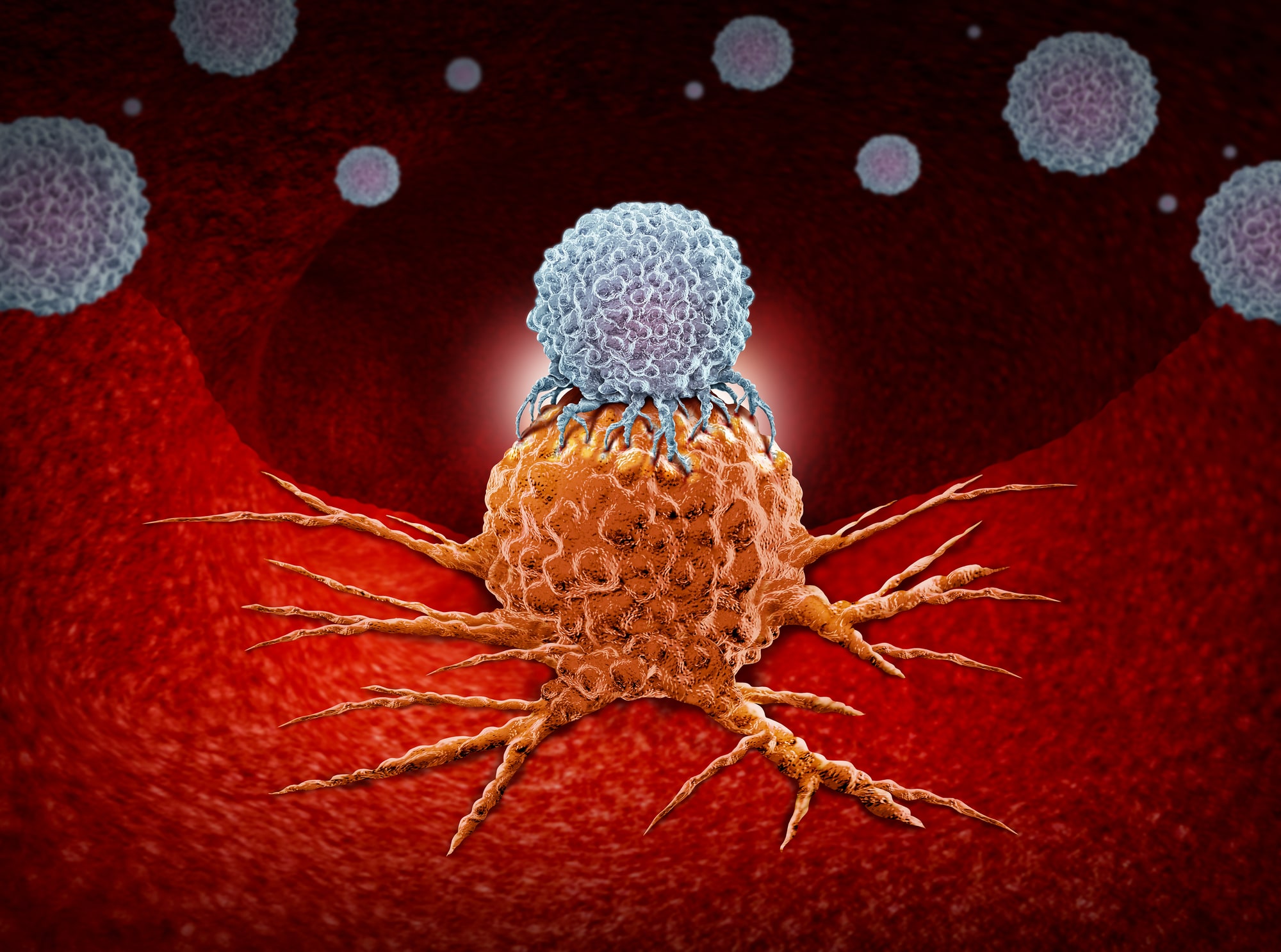
Immunotherapy is a cancer treatment that harnesses the immune system’s power to fight cancer cells. This treatment method has shown remarkable success in treating various types of cancer. It can be used alone or in combination with chemotherapy and other cancer treatments.
However, just like any other medical treatment, immunotherapy can cause various side effects. That’s why it’s crucial to contact your doctor immediately if you experience any side effects or unusual symptoms after receiving this treatment. In this blog, we’ll discuss more about the side effects to immunotherapy and effective management strategies.
The Use of Immunotherapy to Treat Cancer
Immunotherapy uses certain parts of the patient’s immune system to fight cancer. It functions differently depending on the type of cancer. Some boost the immune system to slow or stop the growth of cancer cells, and others enhance the immune system’s ability to eradicate cancer cells and stop them from spreading to other parts of the body. There are two ways that immunotherapy uses to treat cancer:
- Stimulating the immune system’s natural defenses so it works smarter to find and destroy cancer cells
- Creating a laboratory substance that works as the immune system components, used to restore the immune system’s ability to identify and combat cancer cells
This innovative approach has brought hope to many patients with limited treatment options.
Common Side Effects of Immunotherapy
1. Inflammation and autoimmune reactions
Immunotherapy can lead to inflammation and autoimmune reactions. This is because immunotherapy works by modifying the immune system. Inflammation can include:
- Joint pains
- Flu-like symptoms
- Muscle aches
On the other hand, autoimmune reactions can be:
- Colitis (inflammation of the colon)
- Hepatitis (inflammation of the liver)
- Pneumonitis (inflammation of the lungs)
The immune system can mistakenly attack healthy cells hence causing autoimmune reactions.
2. Infusion-related reactions
These include:
- Nausea
- Chills
- Headache
- Fever
This can occur shortly after the treatment or during the treatment. Infusion-related reactions are normally mild, but your doctor should closely monitor them to ensure your safety.
3. Immune-related Adverse Events (irAEs)
Sometimes immunotherapy can trigger an overactive immune response that can lead to Immune-related Adverse Events (irAEs). The common irAEs are:
- Skin rashes
- Diarrhea
- Fatigue
- Thyroid dysfunction
These side effects can affect various body organs and range from mild to severe, hence the need for immediate medical attention.
Managing Side Effects of Immunotherapy
Working closely with your doctor to monitor any side effects and how your body responds to the cancer treatment is vital. Before starting immunotherapy treatment, discuss the potential side effects with your doctor.
Here are some ways of managing the side effects:
1. Early recognition and reporting
For effective management, ensure that you report any side effects that you experience immediately. Ensure you communicate openly with your doctor, report any unusual symptoms for timely intervention, and minimize the risk of complications.
2. Multidisciplinary care
You might require different experts, such as oncologists, dermatologists, gastroenterologists, and other specialists, to help you manage your side effects. Based on your side effects, the experts can collaborate to tailor a treatment plan.
3.Supportive care measures
Supportive care can be important when it comes to managing the side effects of immunotherapy. For example, you can manage fatigue by modifying your lifestyle, including having adequate rest, exercise, and psychological support.
Contact the Cancer and Blood Disorders Treatment and Infusion Center to Learn More About Immunotherapy Treatment
At Cancer and Blood Disorders Treatment and Infusion Center, we review the potential side effects with our patients before starting the immunotherapy treatment. We ensure that our experienced RNs constantly supervise our patients, and if any problems or side effects of treatment arise, we can treat them right away. Dr. Meelu and his staff work hard to ensure our patients are as comfortable and informed as possible throughout the treatment.
Contact us by filling out our online contact form or reach us at 301-638-1007 for consultation or inquiries. Our team of experts is always available to help you.