

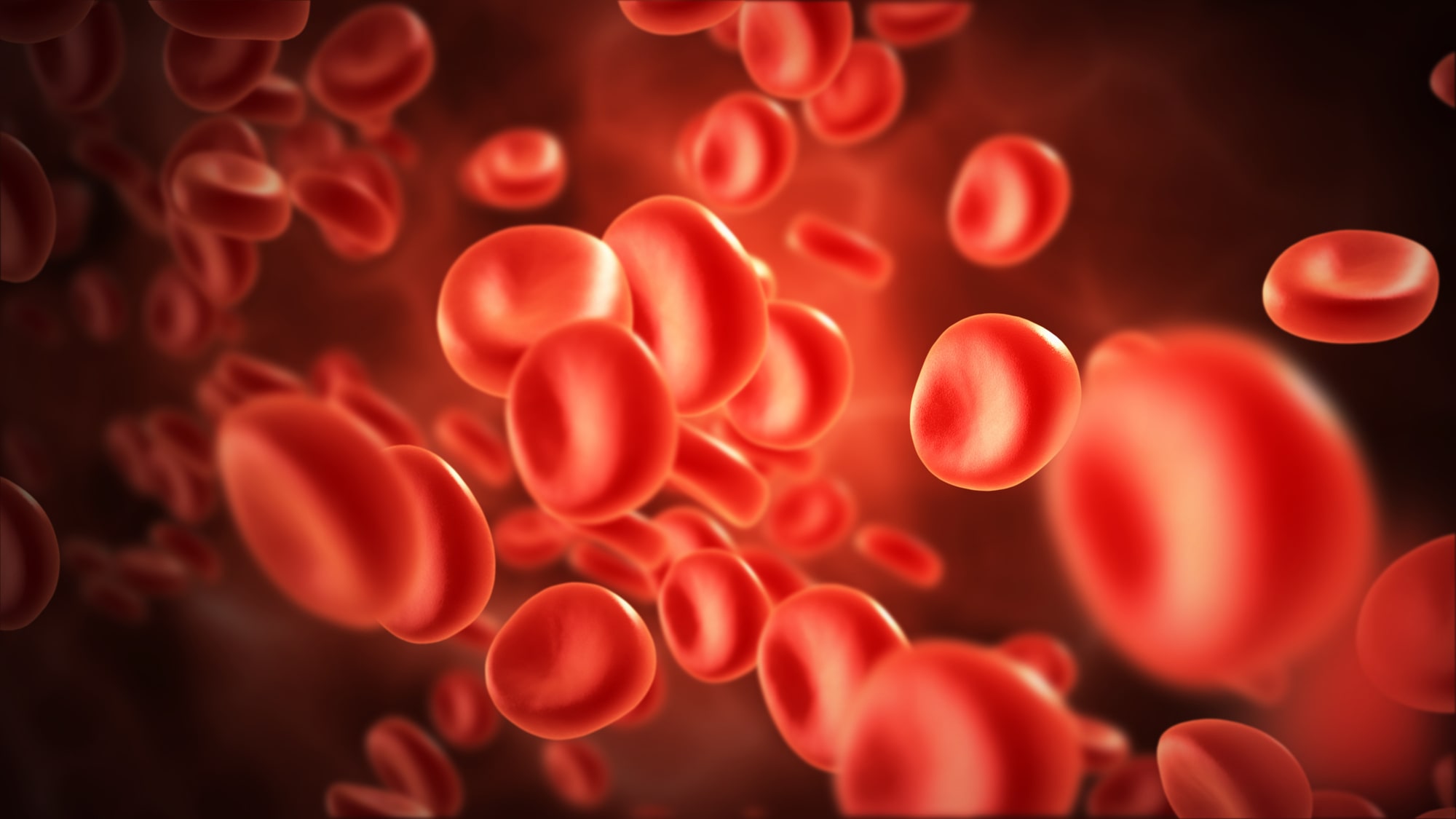
If there is one thing that the medical field is known for, it is the persistent pursuit of knowledge and solutions to better human health. The landscape of medical treatments is continuously evolving, and the area of bleeding disorders is no exception. These medical conditions, characterized by the inability of the body to form clots efficiently, can result in prolonged bleeding, even from minor injuries. They can disrupt daily life and, in severe cases, be life-threatening.
Fortunately, thanks to cutting-edge research and continuous advancements in medical science, over the past few years, we’ve seen significant advancements in the bleeding disorders treatment, offering new hope for patients worldwide. Patients now have more treatment options and a better quality of life than ever before. In this blog, we will explore the latest advances in the treatment of bleeding disorders, including the latest breakthroughs and research.
What Are Bleeding Disorders?
There are many types of bleeding disorders, with hemophilia A and B, Von Willebrand Disease (VWD), and rare clotting factor deficiencies among the most common. Hemophilia A and B, which occur in about 1 in 5,000 and 1 in 25,000 male births respectively, are caused by deficiencies in clotting factor VIII or IX. VWD is even more common, affecting up to 1% of the U.S. population according to the Centers for Disease Control and Prevention.
Recent Advances in Bleeding Disorders Treatment
1. The Rise of Gene Therapy
One of the most promising advances has been the development of gene therapy for bleeding disorders such as hemophilia A and B. Gene therapy aims to introduce, remove, or change the genetic material within a person’s cells to prevent, treat, or potentially cure diseases. The principle behind this treatment is to introduce a functional copy of the faulty gene into the patient’s cells, helping them produce the necessary clotting factor independently.
Clinical trials have shown that gene therapy may offer a long-term, potentially curative treatment. This breakthrough could revolutionize the treatment of bleeding disorders by reducing or even eliminating the need for lifelong medication and blood transfusions. According to a study published in the New England Journal of Medicine in 2022, successful results from a gene therapy trial for adults with severe hemophilia A were reported. Two years after receiving a one-time gene therapy treatment, all 18 patients remained free of spontaneous bleeding episodes and no longer needed regular infusions.
2. Extended Half-Life Products
Extended Half-Life (EHL) products are another significant advancement. These products are designed to remain in the body longer before being metabolized, resulting in less frequent dosing. Standard factor replacement therapies for hemophilia A and B have relatively short half-lives, typically requiring intravenous infusions several times a week to maintain adequate clotting factor levels. This frequent infusion schedule can be tiresome and intrusive to daily life for many patients.
The introduction of extended half-life (EHL) products have aimed to address these challenges by increasing the time the clotting factors remain active in the body, thus reducing the frequency of infusions necessary for effective prophylaxis.
3. The Role of Emicizumab
Since its introduction in 2017, Emicizumab (Hemlibra) has emerged as a powerful tool in preventing or reducing the frequency of bleeding episodes in people with hemophilia A. It is a biweekly or monthly injection for patients with Hemophilia A. It mimics the action of the missing clotting factor VIII, bridging the gap between other clotting factors to promote proper clotting. Research indicates it reduces bleeds in patients, including those with inhibitors, compared to no prophylaxis.
The Future of Bleeding Disorder Treatment
The advancements we are witnessing are the result of global collaboration. While these advances have dramatically improved patients’ lives, researchers continue to push boundaries.
One particularly fascinating area of research is in the field of RNA therapeutics, where scientists are exploring the use of small interfering RNA (siRNA) to potentially decrease bleeding episodes. Pre-clinical trials are promising, and if they succeed, this could provide a significant breakthrough in bleeding disorder treatment.
Learn More at the Cancer & Blood Disorders and Infusion Treatment Center
While these advancements represent significant progress, it’s important to remember that medical science is ever-evolving. The possibilities for the future are exciting, and we look forward to seeing how these advancements will improve patients’ lives.
If you or your loved one is suffering from a blood disorder, it is crucial to seek medical attention immediately. The Cancer and Blood Disorders and Infusion Treatment Center provides comprehensive diagnosis, advanced treatment, and management of common blood disorders. Our team of experienced healthcare providers led by Dr. Meelu is dedicated to providing compassionate care and support to patients and their families. Contact us today via our website or call us directly at 301-638-1007 to schedule a consultation and take the first step toward getting your needed care.