

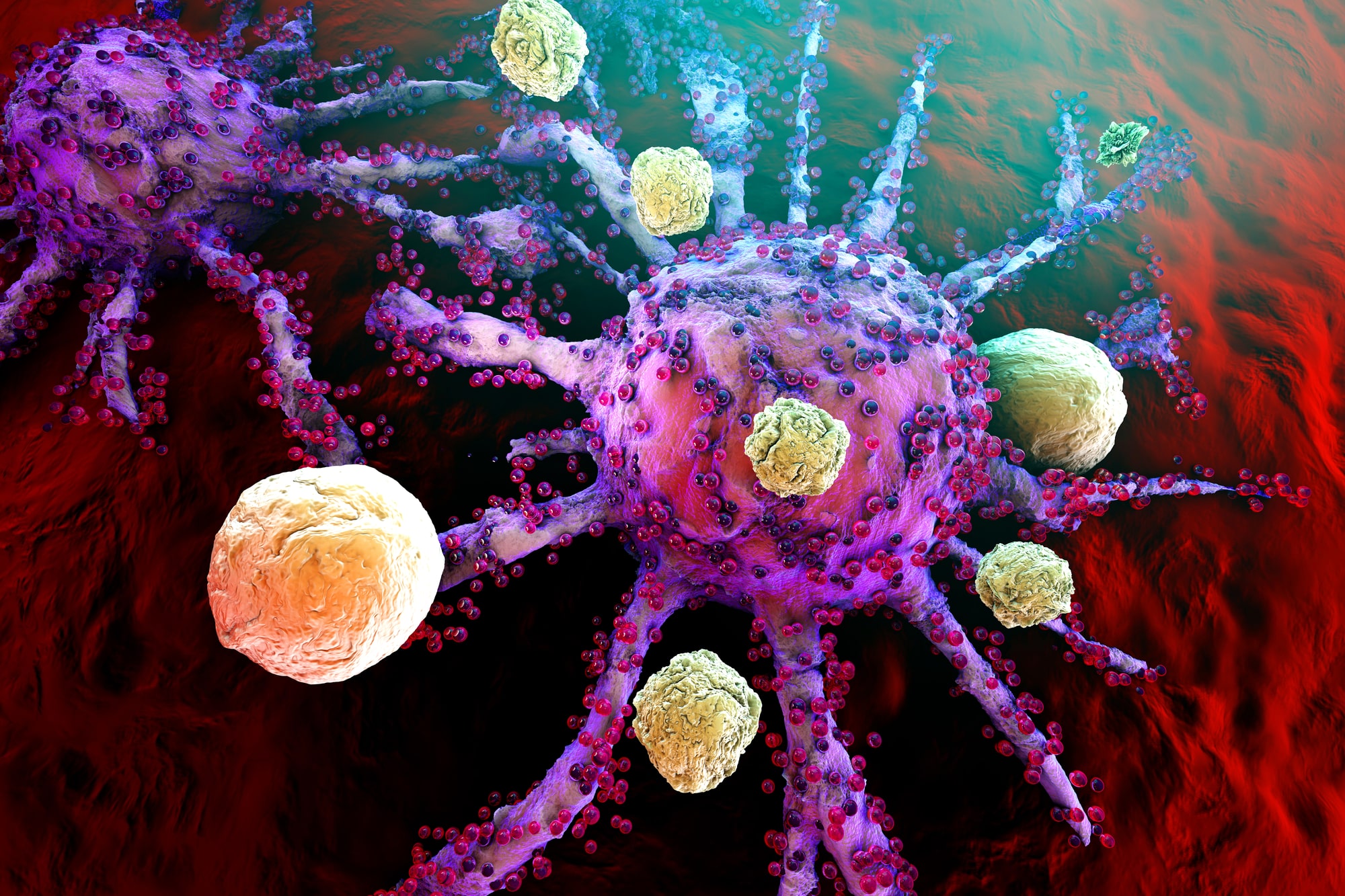
Cancer, a formidable foe that has challenged humanity for millennia, is finally encountering a new wave of resistance: immunotherapy. This revolutionary approach harnesses the body’s own defenses, the immune system, to combat and eradicate cancer cells. Let’s embark on a journey to understand the intricate workings of immunotherapy and explore its potential to transform cancer treatment.
Harnessing the Body’s Defenses
The human body is equipped with a remarkable defense network – the immune system. It comprises specialized cells, proteins, and organs that constantly patrol and protect us from invaders like viruses and bacteria. These immune soldiers, primarily lymphocytes, recognize and eliminate foreign threats from the body.
Immunotherapy capitalizes on this inherent ability. By stimulating or manipulating the immune system, it empowers the body to recognize and destroy cancer cells more effectively. This approach marks a significant departure from traditional cancer therapies like chemotherapy and radiation that directly target and damage cancer cells, often causing debilitating side effects.
The Tumor Microenvironment and Immune Evasion
The battlefield where immunotherapy unfolds is the tumor microenvironment – a complex ecosystem within the body that nourishes and shields the tumor. This environment consists of various cell types, blood vessels, and signaling molecules. While some immune cells infiltrate tumors, cancer employs cunning tactics to evade their detection and destruction.
One such tactic involves the use of checkpoint molecules on cancer cells. These molecules act like stop signs, preventing immune cells from attacking. In addition, tumors can create an immunosuppressive environment rich in factors that dampen the immune response.
Checkpoint Inhibitors and Unleashing the Immune Response
Imagine the immune system as a car with a built-in speed limiter – the checkpoint molecules. Checkpoint inhibitors function by removing this limiter, allowing the immune system to unleash its full potential against cancer.
One prominent example of checkpoint inhibitor therapy involves targeting the PD-1/PD-L1 pathway. PD-1 is a protein expressed on T cells (immune soldiers), and PD-L1 is its counterpart on some cancer cells. When PD-L1 binds to PD-1, it essentially tells the T cell to stand down. Checkpoint inhibitor drugs block this interaction, effectively taking the brakes off the immune response and allowing T cells to recognize and attack cancer cells.
Exploring the Diverse Landscape of Immunotherapy
Checkpoint inhibitor therapy represents a significant breakthrough, but the immunotherapy landscape extends far beyond. Let’s explore two other promising areas:
- CAR T-Cell Therapy: This approach involves genetically engineering a patient’s T cells to recognize and attack specific cancer antigens (markers on the surface of cancer cells). These modified immune soldiers, called CAR T cells, are then reintroduced into the patient’s body, where they can mount a targeted attack on cancer cells.
- Cancer Vaccines: Similar to traditional vaccines that train the body to recognize viruses or bacteria, cancer vaccines aim to educate the immune system to identify and eliminate cancer cells. These vaccines can be preventive or therapeutic, targeting specific tumor antigens.
A Beacon of Hope
Immunotherapy offers a beacon of hope in the fight against cancer. Its ability to harness the body’s natural defenses is truly a revolution in cancer treatment. As research continues to understand the complexities of the immune system and tumor microenvironment, we can expect even more innovative and personalized immunotherapy approaches to emerge. This future holds immense promise for improved patient outcomes and potentially, long-term cancer remission.
Contact the Cancer and Blood Disorders Treatment and Infusion Center to Learn More About Immunotherapy Treatment
At Cancer and Blood Disorders Treatment and Infusion Center, we review all of the facts with our patients before starting any immunotherapy treatment. We ensure that our experienced RNs constantly supervise our patients, and if any problems or side effects of treatment arise, we can treat them right away. Dr. Meelu and his staff work hard to ensure our patients are as comfortable and informed as possible throughout the treatment.
Contact us by filling out our online contact form or reach us at 301-638-1007 for consultation or inquiries. Our team of experts is always available to help you.