

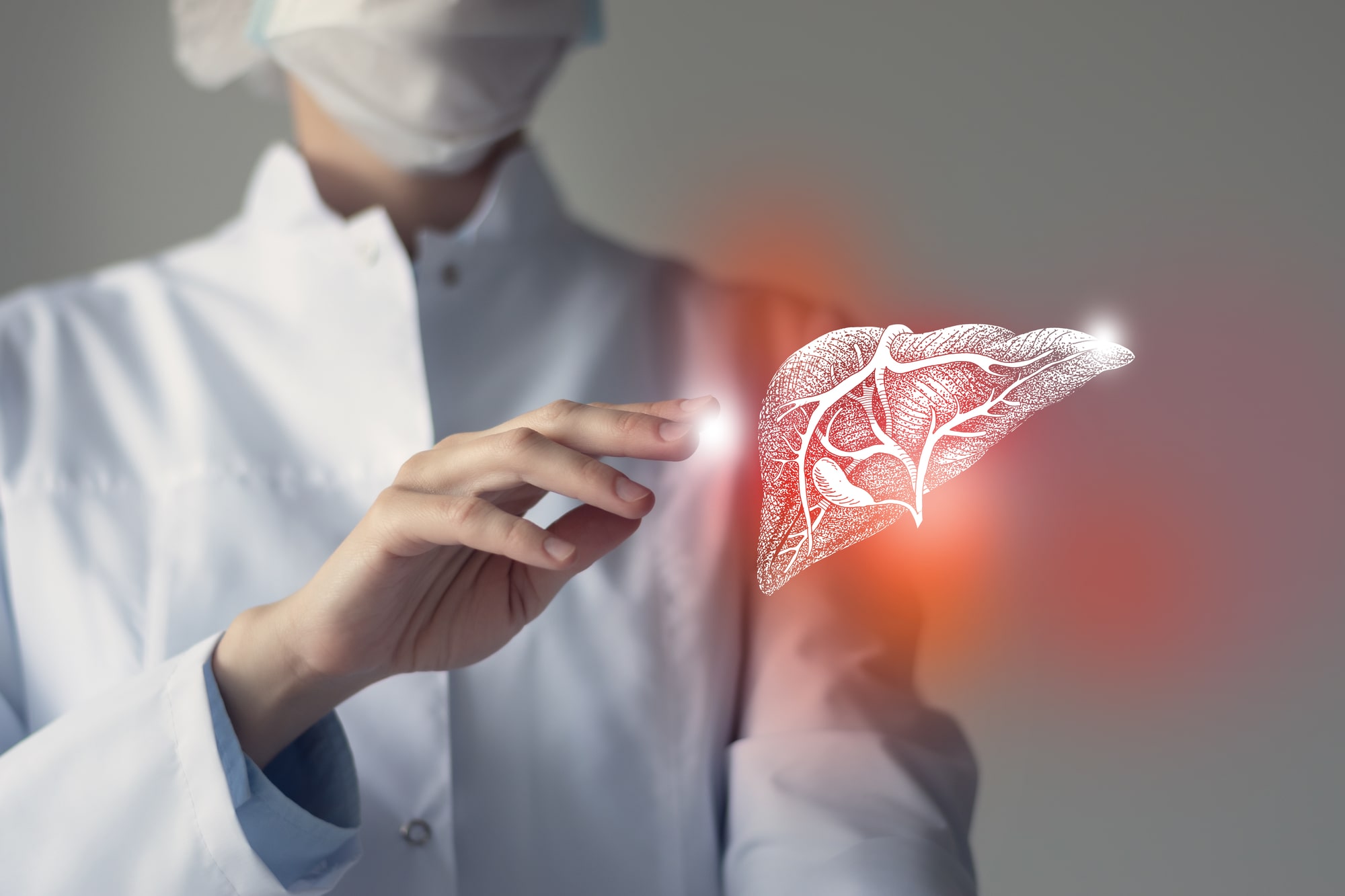
Hemochromatosis is one of the most common genetic disorders in the United States. It affects approximately one in 200 to 250 people, mainly Caucasians of Northern European descent. This condition is also called iron overload because it leads to excessive absorption and storage of iron in the body, primarily in the liver, pancreas, heart, and other vital organs.
Typically, your body absorbs about 10% of iron from the food to meet the body’s needs. However, in people with hemochromatosis, the body absorbs more iron and can’t get rid of the excess naturally. It is difficult to diagnose hemochromatosis unless complications arise because it is often asymptomatic in its early stages. Read on to understand more about hemochromatosis and its complications.
Types of Hemochromatosis
There are two types of hemochromatosis, namely:
- Primary hemochromatosis: It is hereditary. You have a high chance of getting this disorder if you have two of the genes that cause it.
- Secondary Hemochromatosis: It is caused by other conditions like:
- Liver disease
- Too much blood transfusions
- Certain kinds of anemia
What Are the Symptoms and Diagnosis of Hemochromatosis?
Even in advanced conditions, many people have no symptoms. Symptoms tend to occur in men aged 30 to 50 and women over 50. Some common early symptoms include:
- Fatigue
- Joint pain
- Abdominal discomfort
- Lack of energy
- Loss of sex drive
As the condition progresses, individuals may experience more severe symptoms such as:
- Liver cirrhosis
- Diabetes
- Increased risk of cancer
- Heart problems
Diagnosing hemochromatosis involves blood tests to measure serum iron levels and ferritin, a protein that stores iron. Genetic testing can also identify the specific mutations associated with hemochromatosis. It is necessary to have an early diagnosis to manage the condition and prevent complications.
Complications of Hemochromatosis
1. The Cardiac Problem
As we saw earlier, hemochromatosis also affects the heart. This leads to arrhythmias, cardiomyopathy, and increased heart failure. Iron overload disrupts the heart’s electric signals, resulting in irregular heartbeats. Individuals with hemochromatosis should work closely with their healthcare providers to manage their iron levels and overall cardiac health.
2. Liver Damage
This is one of the most concerning complications of hemochromatosis. Excess iron accumulation in the liver can lead to fibrosis, inflammation, and cirrhosis. Cirrhosis is a severe disease that impairs liver function and can lead to life-threatening complications such as liver failure. People with hemochromatosis should have regular monitoring and treatment to prevent and manage liver damage.
3. Diabetes and Other Endocrine Disorders
Hemochromatosis can affect the endocrine system, leading to diabetes. When iron builds up in the pancreas, it can affect its ability to produce insulin, which regulates blood sugar levels. Individuals with hemochromatosis have a high risk of contracting diabetes, hence the need for regular blood sugar monitoring and appropriate management to prevent complications associated with diabetes.
Learn More About Hemochromatosis and Its Complications with Cancer and Blood Disorders Treatment and Infusion Center
If you have a family history of hemochromatosis or suspect that you may have this condition, don’t wait until complications arise. Early diagnosis and proactive management prevent complications. At the Cancer and Blood Disorders Treatment and Infusion Center, we work with all our patients to give them the needed treatment. We are involved in our patients’ care on a one-to-one basis and encourage them to contact our office with any problem or physical symptom that may occur when they are under active treatment.
You can reach us at 301-638-1007 or fill out the online Contact Us form for any inquiries about hemochromatosis. Our specialists are always ready for you.