

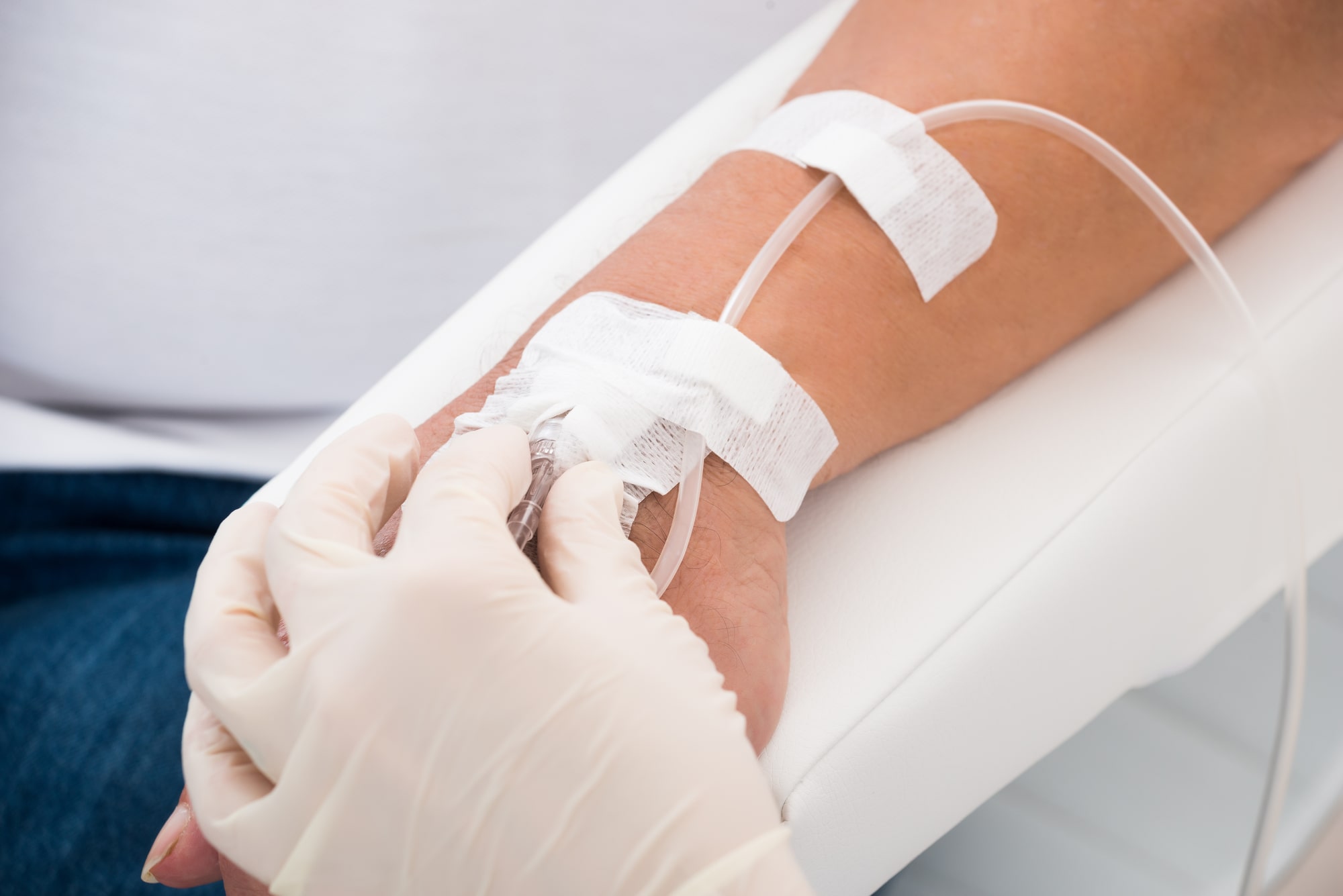
Chemotherapy has been a cornerstone in cancer treatment for the longest time. It is vital in combating the disease and improving patient outcomes. Over the years, significant advancements have been made in the field, leading to new approaches and combination therapies that enhance chemotherapy’s effectiveness. This blog will help you understand the evolving strategies in chemotherapy. We will highlight the role of chemotherapy in modern cancer treatment and the promising new techniques that are changing cancer care.
What is the Crucial Role of Chemotherapy in Modern Cancer Treatment?
Chemotherapy is a cancer treatment that involves the use of powerful drugs that target and destroy cancer cells. It has been used widely as a primary cancer treatment option. It can be used alone or in combination with other therapies such as immunotherapy, radiation therapy, and surgery.
The main goal of chemotherapy is to slow or stop the spread of cancer cells and alleviate cancer-related symptoms. However, chemotherapy has side effects, such as affecting both healthy and cancerous cells. This has led to continuous research and development in the oncology field to refine existing strategies and explore combination therapies.
Targeted Drug Delivery
Targeted drug delivery is an emerging area of research in chemotherapy. It aims to improve the specificity of chemotherapy by directing drugs selectively to cancer cells hence minimizing damage to healthy cells. Nanotechnology plays a vital role in this field as researchers use nanoparticles that can carry chemotherapy drugs directly to the tumor site. The nanoparticles can also be engineered to release the drugs slowly over time or be triggered by specific conditions in the tumor. This approach promises reduced side effects and enhances the therapeutic index of chemotherapy.
Combination Therapies
If you have read up to this point, you might be asking yourself what combination therapies are. Well, as the name suggests, it combines more than one treatment. Combination therapy can target cancer cells from multiple angles by using two or more drugs with different mechanisms of action. This reduces the chances of resistance and increases effectiveness, hence its popularity over the years, as it can potentially enhance treatment outcomes.
Here are some of the common combination therapies:
Chemotherapy and Immunotherapy
In recent years, immunotherapy has garnered considerable interest as a revolutionary approach to cancer treatment. The technique harnesses the body’s immune system to fight cancer cells. Combined with chemotherapy, it produces a synergist effect that leads to improved response and, in some cases, long-term remissions. Immune checkpoint inhibitors are a common type of immunotherapy that blocks certain proteins that prevent immune cells from attacking cancer cells. When combined with chemotherapy, immune checkpoint inhibitors have shown remarkable results in advanced melanoma and lung cancer.
Chemoradiation/ Chemoradiotherapy
Chemoradiation is the combination of chemotherapy and radiation therapy in cancer treatment to enhance effectiveness. This approach is normally used in various cancer types and stages, depending on the patient’s overall health. Your doctor will always check with you before they decide on the treatment.
Chemoradiation is also used when treating microscopic diseases. However, combining chemotherapy and radiation therapy can lead to increased side effects compared to using each drug alone. Supportive care is normally provided to manage the side effects and improve the patient’s overall well-being during the treatment.
Stay Informed about the Evolving Strategies in Chemotherapy with Cancer and Blood Disorders Treatment and Infusion Center
Contact the Cancer and Blood Disorders Treatment and Infusion Center for more information on the role of chemotherapy. Our team led by Dr. Meelu is well equipped to handle chemotherapy with ease. We work hard to work with all our patients to give them the treatment they need. We involve ourselves in our patient’s care one-on-one, providing emotional support and more.
For more information, reach us at 301-638-1007 or fill out our online contact us form. Our professionals are always ready to help.