

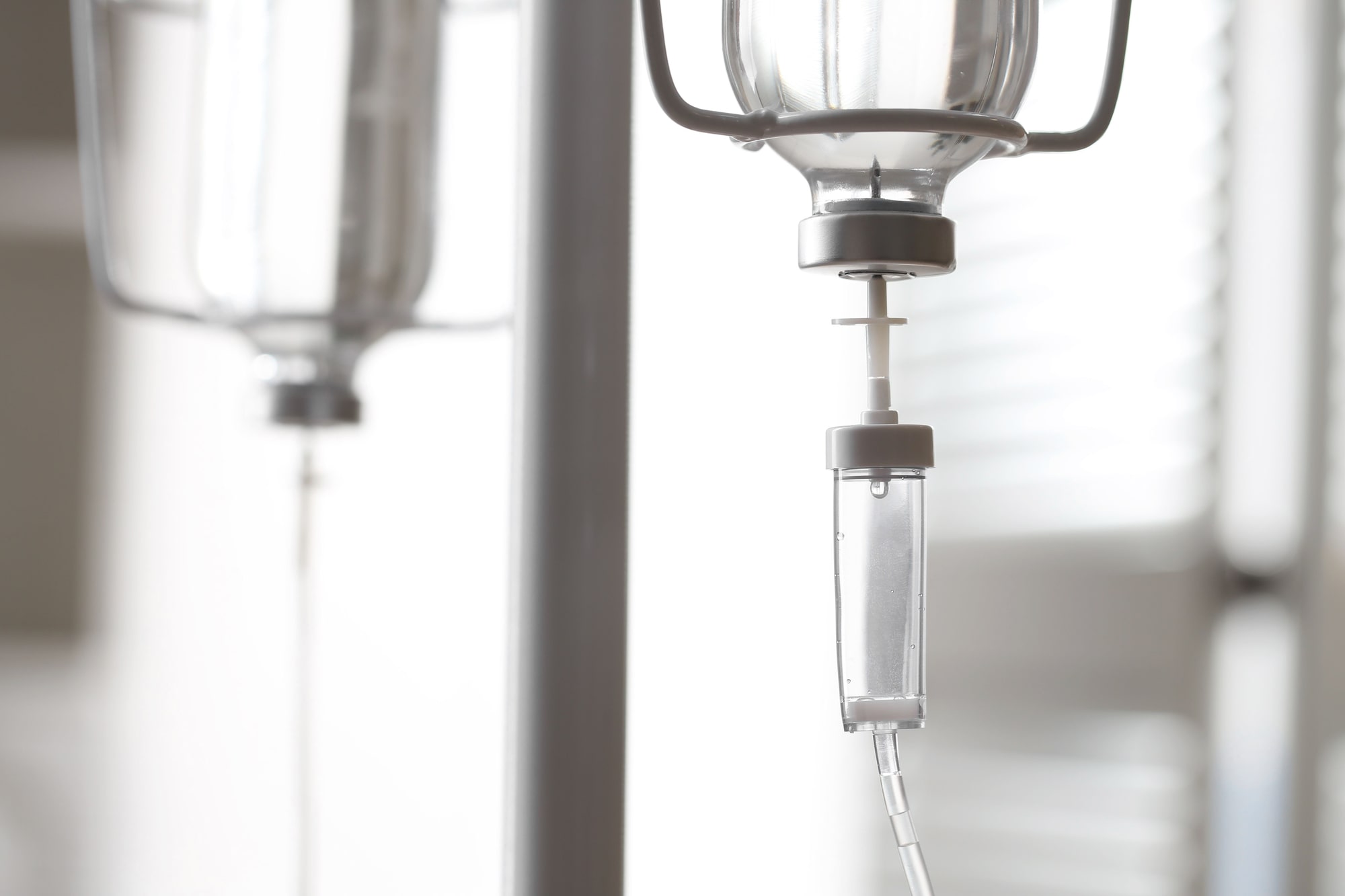
Chemotherapy is a common treatment for cancer that uses drugs to kill cancer cells. It has been around since the 1940s, starting with simple chemicals like nitrogen mustard. Over time, as we’ve grown in our understanding of how chemicals and radiation affect the body, chemotherapy has improved a lot. Today, it is more advanced, helping many people live longer and healthier lives after a cancer diagnosis.
How Does Chemotherapy Work?
Cancer cells grow and divide quickly, which is different from most normal cells in the body. Chemotherapy drugs are designed to target these fast-growing cells. They work by stopping the cancer cells from multiplying, which helps slow down or stop the spread of the disease.
However, chemotherapy can also affect healthy cells that grow quickly, such as those in the hair, skin, and digestive system. This is why many people experience side effects like hair loss, feeling sick, and tiredness. The good news is that these side effects usually go away after treatment ends.
Different Types of Chemotherapy
There are several types of chemotherapy, each working in different ways:
- Traditional Chemotherapy: This type kills cancer cells directly. It’s the most common form and is used for many kinds of cancer.
- Targeted Therapy: This treatment focuses on specific parts of cancer cells that help them grow. By targeting these areas, the drugs can attack cancer cells more precisely, causing less harm to healthy cells.
- Immunochemotherapy: This combines chemotherapy with drugs that help the immune system fight cancer. It boosts the body’s natural defenses while also killing cancer cells.
How Chemotherapy is Used with Other Treatments
Chemotherapy often works best when combined with other treatments like surgery or radiation. Doctors use it in different ways depending on the cancer type and stage:
- Before Surgery (Neoadjuvant Chemotherapy): Sometimes chemotherapy is given before surgery to shrink the tumor, making it easier to remove.
- After Surgery (Adjuvant Chemotherapy): Chemotherapy can be used after surgery to kill any cancer cells left behind, which helps prevent the cancer from coming back.
- With Radiation Therapy: Chemotherapy can make radiation therapy work better by making cancer cells more sensitive to it.
New Advances and the Future of Chemotherapy
Chemotherapy has come a long way, and new treatments are being developed all the time. One exciting area is personalized treatment, where doctors choose chemotherapy drugs based on a patient’s unique cancer type and genetic makeup. This helps the treatment work better with fewer side effects.
Researchers are also studying new ways to deliver chemotherapy. For example, tiny carriers called nanoparticles can deliver drugs directly to cancer cells without affecting healthy parts of the body as much. Clinical trials are testing these new methods to see how well they work.
Final Thoughts
Chemotherapy remains an important part of cancer treatment. While it can cause side effects, it has helped millions of people fight cancer successfully. With ongoing research and new technologies, chemotherapy is becoming more targeted, effective, and easier for patients to handle.
As science continues to advance, chemotherapy will likely play an even stronger role in helping people overcome cancer.
Learn More About Cancer Treatments with Cancer and Blood Disorders Treatment and Infusion Center
While the battle against cancer is far from over, the progress made thus far offers hope and optimism for patients and the medical community. At Cancer and Blood Disorders Treatment and Infusion Center, we work hard to work with all our patients to give them the treatment they need.
For more information or to book an appointment with our specialists, reach us at 301-638-1007 or fill out our online Contact Us form.