

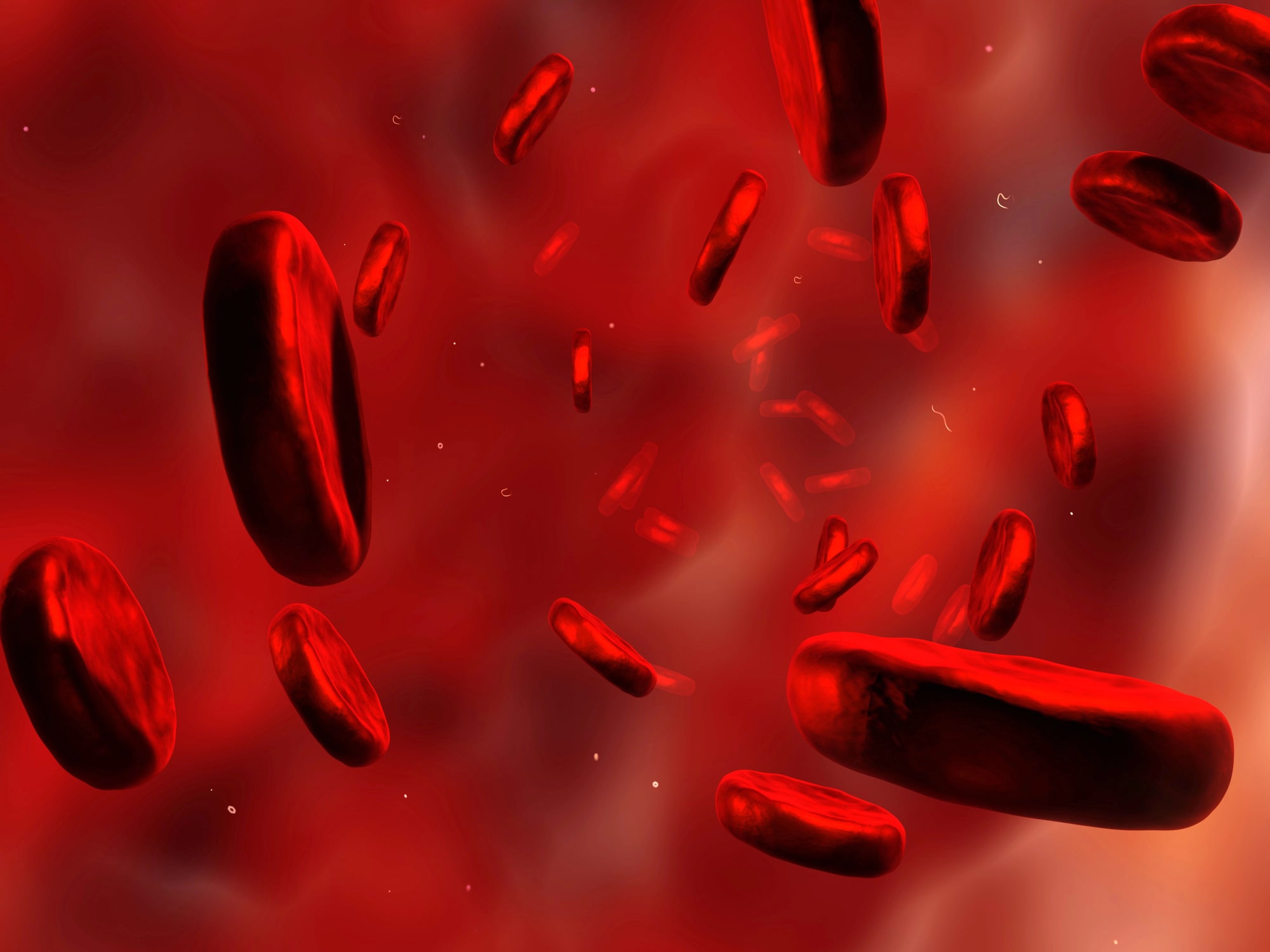
Anemia is a health problem where the body doesn’t have enough healthy red blood cells or hemoglobin. These cells are important because they carry oxygen to all parts of the body. When they are low, the body doesn’t work as well as it should. Anemia is common and affects people of all ages. Learning about its different types can help in recognizing and managing it.
Common Types of Anemia
There are several types of anemia, each with its own causes and effects.
- Iron-deficiency anemia happens when the body doesn’t have enough iron, a key ingredient for making red blood cells. This is the most common type.
- Vitamin-deficiency anemia is caused by low levels of important vitamins like B12 or folate. These nutrients are needed to make healthy blood cells.
- Sickle cell anemia is a condition people are born with. It causes red blood cells to have an odd shape, which makes it hard for them to flow smoothly in the body.
- Aplastic anemia is rare but serious. It occurs when the bone marrow, which makes blood cells, stops working properly. This can happen due to damage or illness.
Causes of Anemia
The reasons for anemia vary depending on the type. A lack of certain nutrients, like iron, vitamin B12, or folate, is a leading cause of iron-deficiency and vitamin-deficiency anemia. For some people, anemia runs in the family. Sickle cell anemia, for example, is a genetic condition. Chronic health problems, such as kidney disease or cancer, can also lead to anemia by affecting how blood cells are made. Blood loss from injuries, surgeries, or heavy menstrual periods can cause anemia as well, since the body loses too many red blood cells to keep up.
Symptoms of Anemia
The signs of anemia often start slowly and can be easy to miss. Many people feel tired, weak, or out of breath. Pale skin and dizziness are also common. Each type of anemia can have its own unique signs. For example, sickle cell anemia may cause sudden pain because the oddly shaped red blood cells block blood flow. A lack of vitamin B12 might lead to numbness, tingling, or trouble remembering things. Recognizing these symptoms can help in finding the right type of anemia.
Treatment and Management Options
The treatment for anemia depends on what causes it.
- Dietary changes and supplements: Eating foods high in iron, such as leafy greens, beans, and lean meats, can help with iron-deficiency anemia. Vitamins like B12 and folate may be added to the diet through food or supplements.
- Medical care: More serious cases might need treatments like blood transfusions or medications to help the body make more red blood cells. Bone marrow transplants may be an option for some people with aplastic anemia.
Key Takeaways
- Anemia affects many people but can be managed with the right approach.
- Knowing the causes, symptoms, and treatments is key to addressing it effectively.
- By understanding its types and taking early action, individuals can improve their health and quality of life.
Contact the Cancer and Blood Disorders Treatment and Infusion Center Today
At the Cancer and Blood Disorders Treatment and Infusion Center, we value individualized care and strive to provide our patients with compassionate support. Our team of registered nurses and medical assistants, led by Dr. Meelu, go above and beyond by acting as social workers and offering emotional assistance to those in need. We also assist our patients with navigating insurance and financial concerns, ensuring they receive the comprehensive care they deserve.
Contact us at 301-638-1007 or complete our online Contact Us form for more information about anemia treatments.